
WE CONCERN ABOUT THE SOCIAL COST
Air pollution is linked with severe environmental and public health impacts.
It is time to switch towards cleaner, more sustainable & environmental friendly energy source.
BREAKTHROUGH IN ENZYMATIC BIODIESEL TECHNOLOGY
Conventional enzymatic biodiesel production cost is high, why don't you think the alternative?
We offer you the different solution.
MORE PROFITABLE TECHNOLOGY
Flexible feedstock even with high FFA, 80% more efficient enzyme consumption, and high value-added byproducts.
We offer you a revolutionary technology.
OUR COMPANY
We envision a world that has continued progress through sustainable energy and biobased materials. For years, Sunho Biodiesel Corporation has been researching and perfecting a unique turnkey Enzymatic Transesterification Process (ETProcess®). Learn more about our company and services here.
About Us
Sunho Biodiesel Corporation (SBC) is a technology-oriented company. We provide turnkey technology packages based on enzymes, especially immobilized lipases. All applications are for commercial/industrial scale.
News and Events
In 2016, SBC have been awarded as the Best Biodiesel Development Company by Global Energy News. Find out more about our achievements and publications milestone.
Scope of Products and Services
We offer various technologies and services to process oil sources from beginning to the end; starting from oil extraction, oil degumming,
ET Process® for enzymatic biodiesel, and high purity monoglyceride production.
Our ET Process® Technology
Address prevailing challenges in biodiesel production
ET PROCESS® FOR BIODIESEL
We developed ET Process®, a new enzymatic biodiesel technology with worldwide patent, to address prevailing challenges in biodiesel production: with flexible feedstocks, lower operating cost, and higher profit. We provide full assistance, let's get started.

BIODIESEL AND PRODUCTION CHALLENGES
Biodiesel is used worldwide and has become increasingly popular. Currently, the greatest concern in biodiesel production is cost-prohibitive feedstock, utilization of the crude glycerol component, and high enzyme consumption. Find more
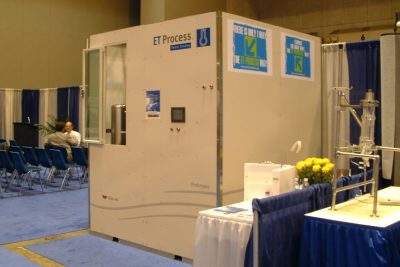
The ET Process® simultaneously converts both oil and free fatty acid into biodiesel using an immobilized lipase in an inert solvent environment. The ET Process® utilizes flexible feedstocks. Find more
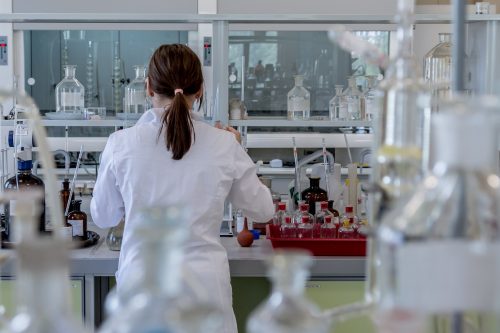
ADVANTAGES OF THE ET PROCESS®
ET Process® utilizes flexible feedstocks with high FFA, 80% lower enzyme consumption, and high value-added byproducts. Ensuring clients to have higher profit. Find more
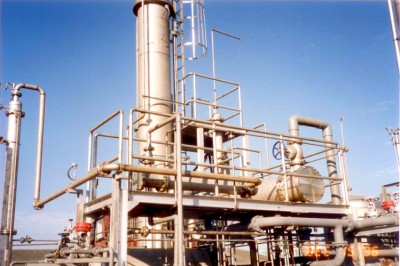
WIDER APPLICATION
The ET Process®offers a way of preserving these valuable extracts, thus increasing the sustainability of the client's business. Find more